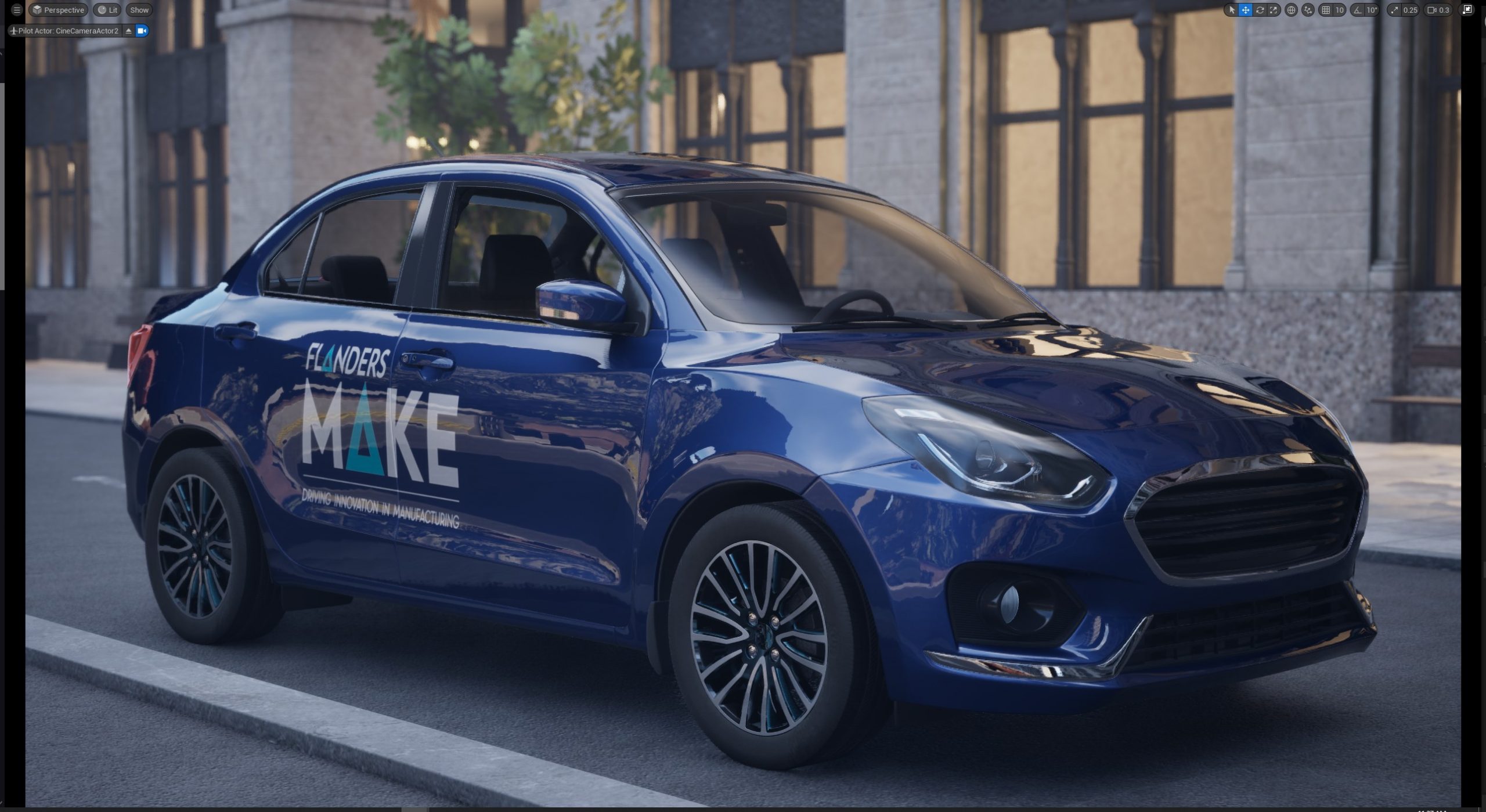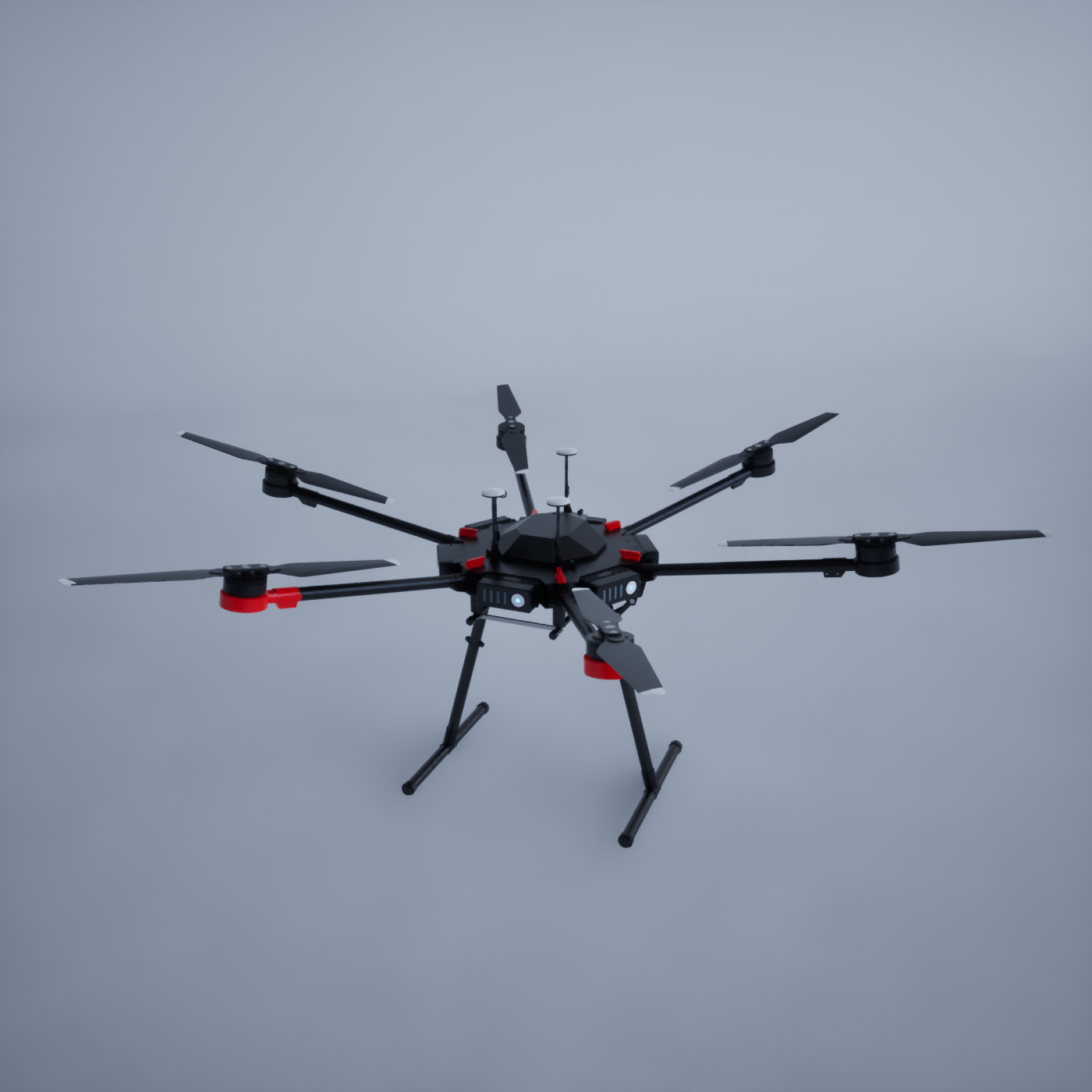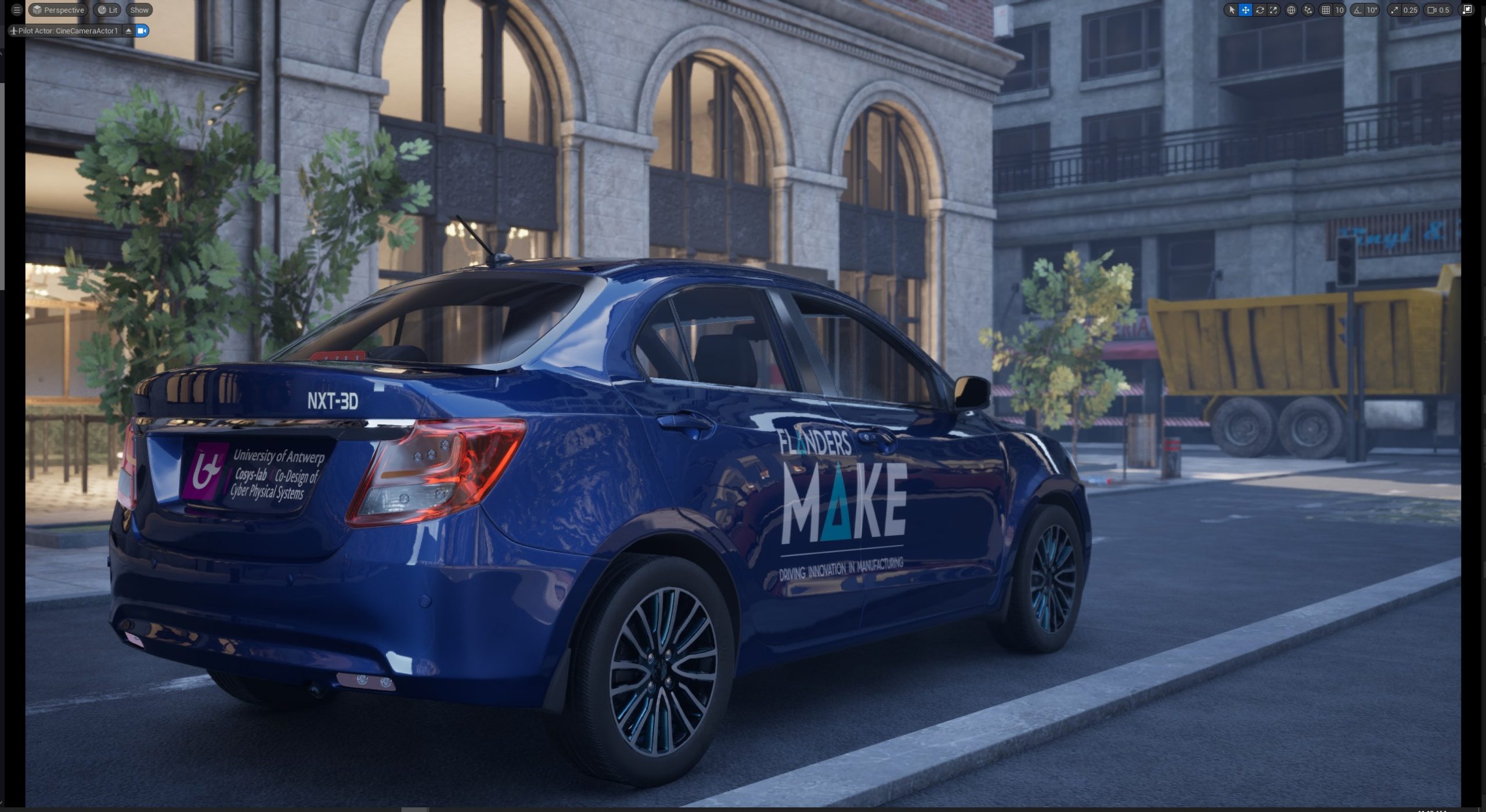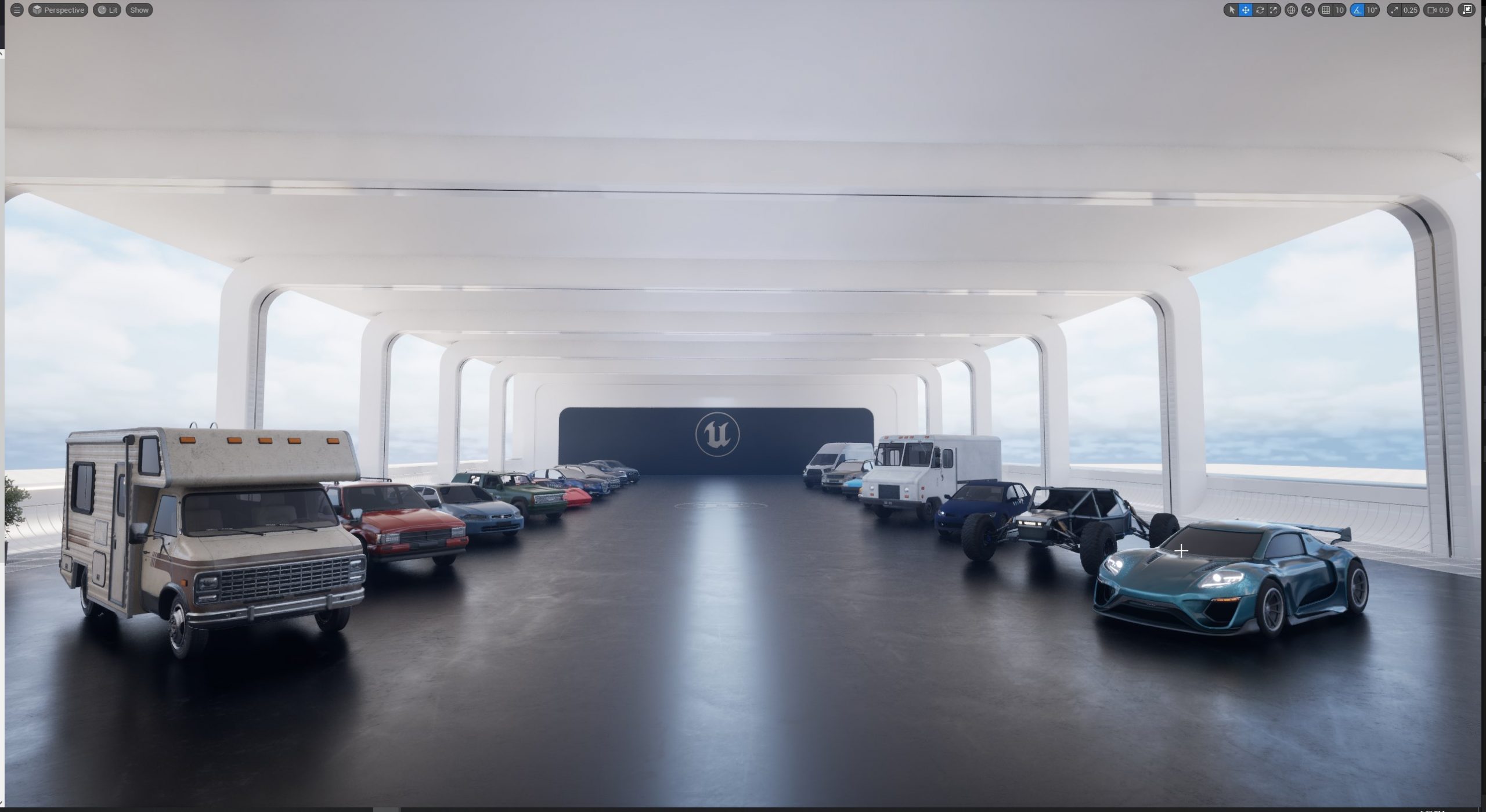




The CoSys-AirSim platform continues to evolve, bringing new tools and improvements that make autonomous vehicle and drone simulation more powerful, realistic, and customizable than ever before. Here’s a look at the most recent feature updates and what they mean for developers, researchers, and operators.
1. Expanded Vehicle Library
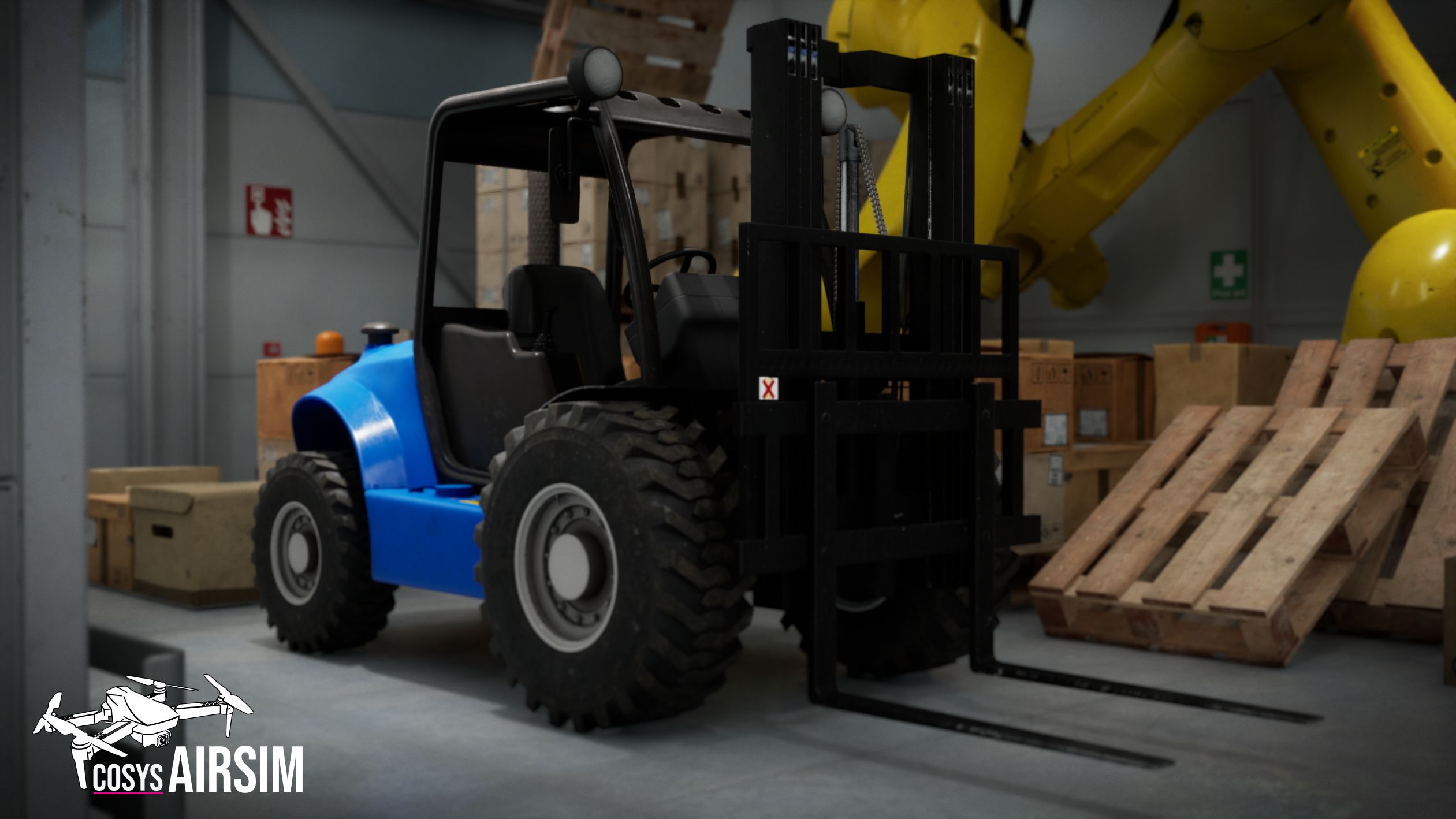
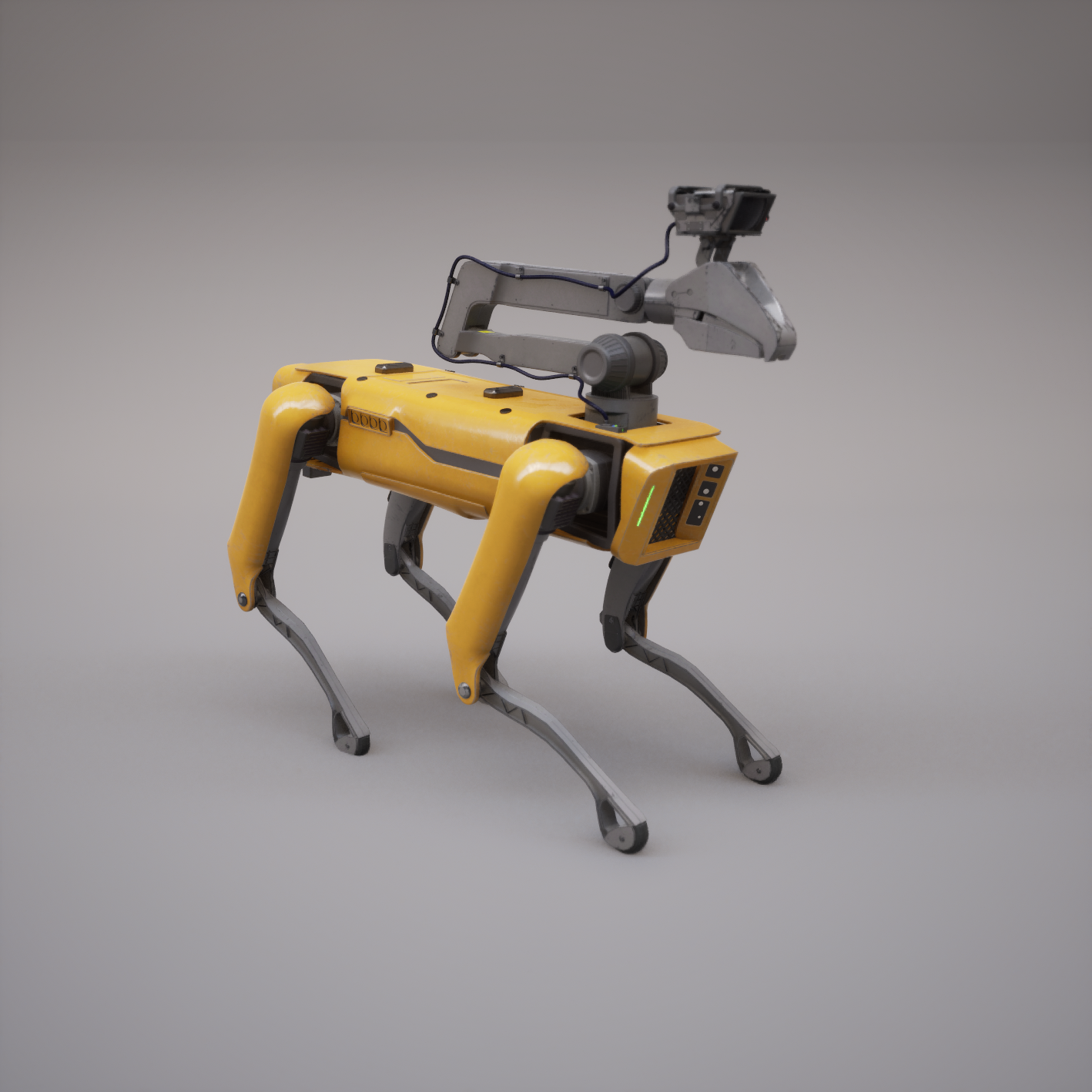
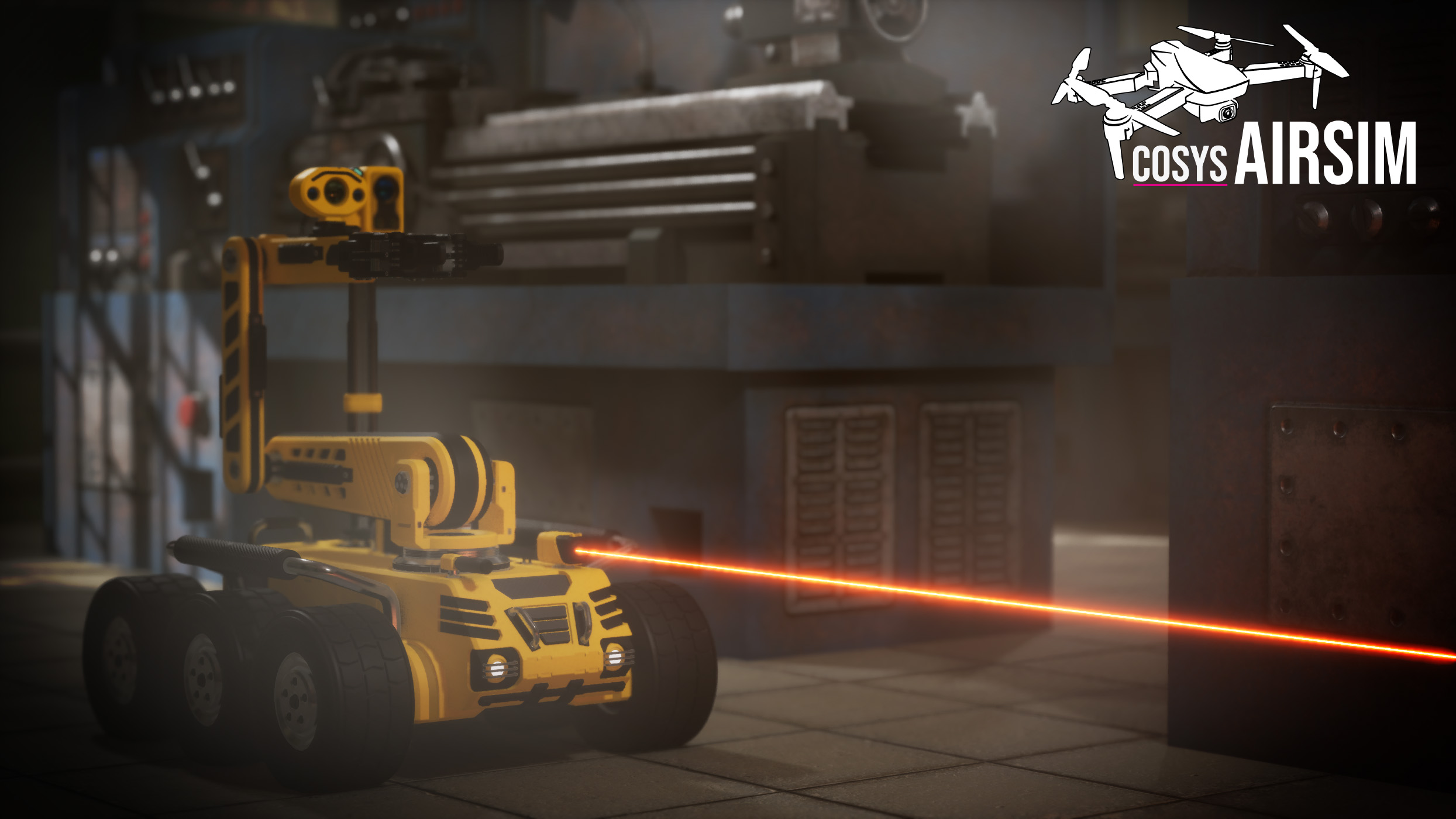
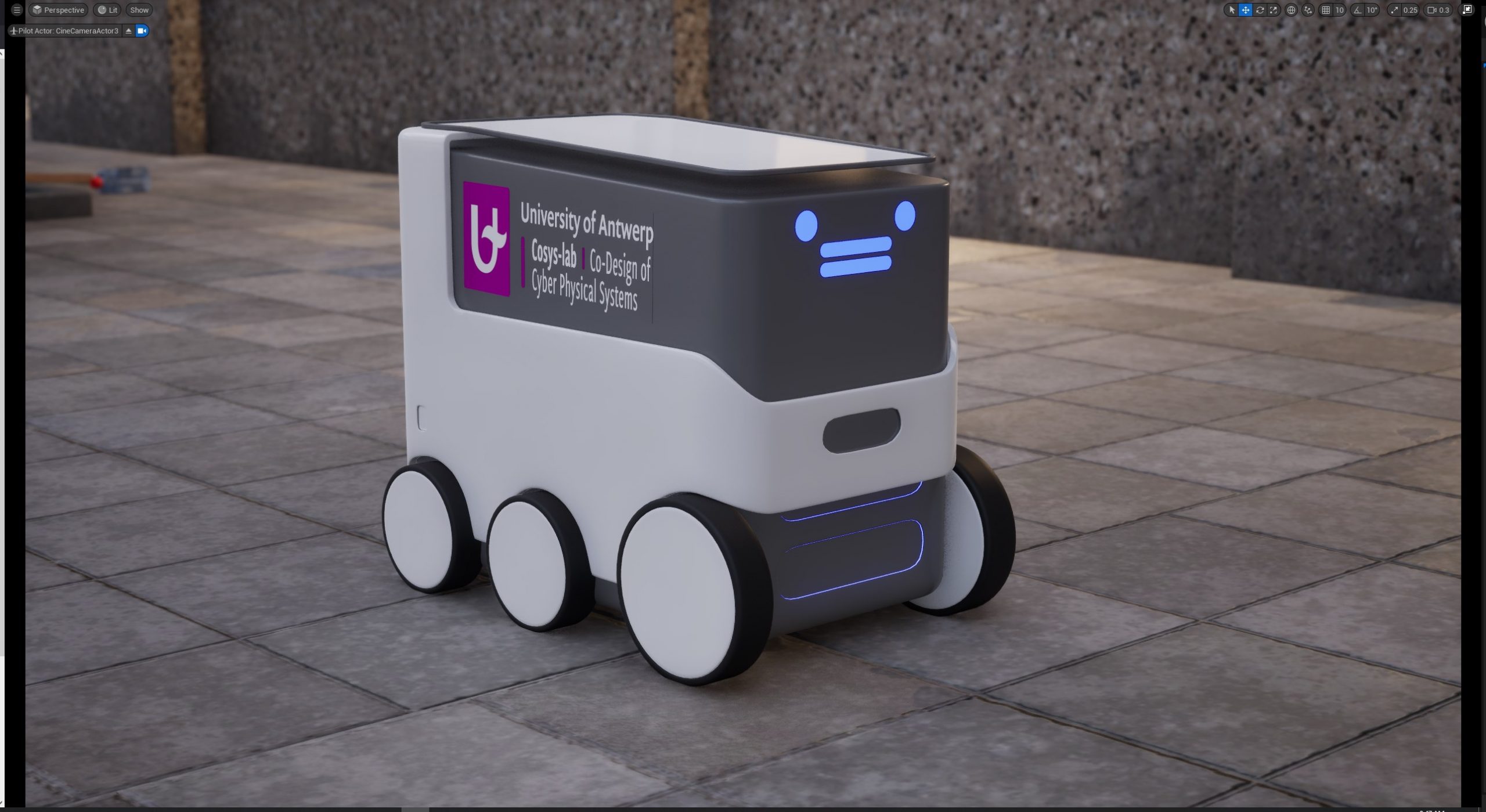
Recent updates have added new vehicle templates, including support for wheeled robots, amphibious UAV prototypes, and extended configurations for multirotor and fixed-wing aircraft. This expansion makes it easier to test across a wider variety of platforms without leaving simulation.
2. Advanced Sensor Simulation
Sensors are at the heart of autonomy. CoSys-AirSim now offers improvements to:
- Lidar Simulation: Higher density point clouds with tunable noise profiles.
- Infrared (IR) Cameras: Enhanced modeling for thermal datasets.
- Multispectral Imaging: Configurable bands for agricultural and environmental research.
- IMU and GPS Models: More realistic drift and multipath effects.
These upgrades allow teams to stress-test perception algorithms under realistic conditions.
3. Procedural Environment Generation
A major highlight is the addition of procedural world-building tools:
- Dynamic weather (fog, rain, wind gusts).
- Day/night lighting cycles.
- Terrain randomization for diverse training data.
This feature is particularly useful for synthetic dataset generation, letting researchers create thousands of unique scenarios quickly.
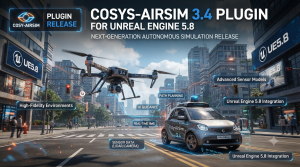
4. Improved Unreal Engine Integration
Because CoSys-AirSim is built on Unreal Engine, the new release tightens integration with UE5:
- Nanite and Lumen support for higher-fidelity environments.
- Optimized shader pipelines for faster rendering.
- Blueprint hooks for custom behaviors.
This ensures simulations not only run smoothly but also look closer to real life.
5. Python & API Enhancements
The Python client and API have been upgraded to allow:
- More granular control over vehicle states.
- Triggering custom events inside simulation (e.g., turning on lights, payload deployment).
- Batch simulation runs with parallelized execution.
These changes simplify automation and large-scale testing workflows.
6. Performance & Usability
Performance tuning has been a major focus, with notable improvements:
- Reduced memory footprint for large environments.
- Faster map loading times.
- Stability improvements for multi-vehicle simulations.
Final Thoughts
The latest CoSys-AirSim update strengthens its role as a go-to simulation platform for drone and robotics development. With enhanced vehicles, sensors, and environments—plus streamlined APIs and Unreal Engine integration—teams can build, test, and validate faster than ever.
If you haven’t yet updated your installation, now is the perfect time to explore these new features and see how they can accelerate your projects.
Photo by Chris Ried on Unsplash