The drone industry is evolving at a remarkable pace. Autonomous flight, beyond-visual-line-of-sight (BVLOS) operations, swarm coordination, and AI-driven navigation are no longer speculative—they’re becoming real-world capabilities. But as technology advances, regulations and safety standards are also tightening. This is where simulation platforms like CoSys‑AirSim play a critical role.
1. Rising Complexity of Drone Operations
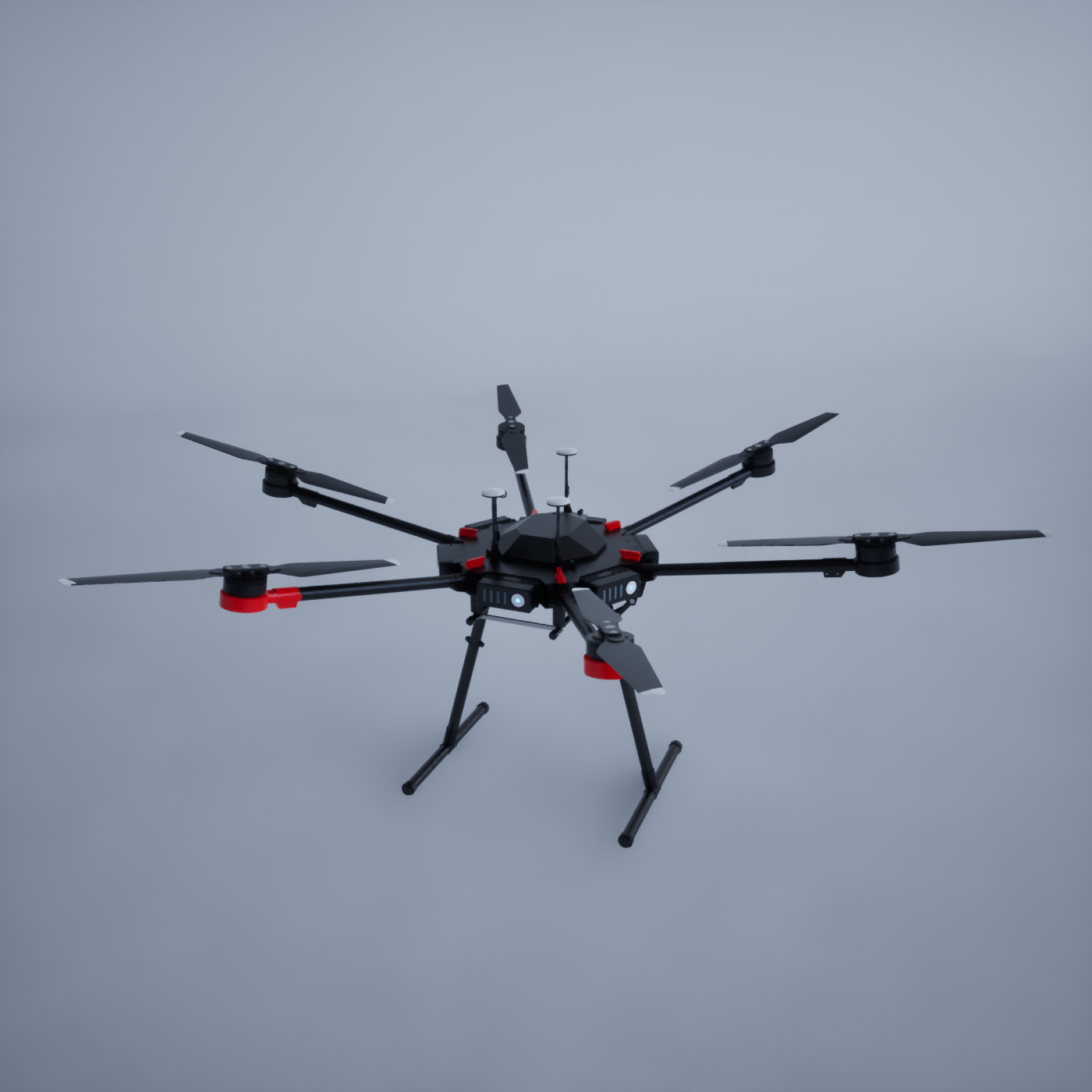
Modern drones are no longer simple quadcopters with manual controls. They are equipped with multiple sensors, AI pilots, and complex mission profiles. Testing these systems in the real world is expensive, risky, and sometimes impossible under current aviation regulations. Simulation offers a safe, scalable way to:
- Model diverse weather, lighting, and terrain conditions.
- Stress-test autonomy algorithms.
- Train AI with synthetic datasets.
2. Regulatory Pressure: BVLOS and Airspace Integration
Global aviation authorities (like the FAA, EASA, and South Africa’s SACAA) are working on rules for BVLOS operations and integrating drones into civilian airspace. Simulation provides a testing ground for:
- Collision avoidance and detect‑and‑avoid (DAA) systems.
- Communication and control reliability.
- Compliance demonstrations before flight waivers are granted.
With CoSys‑AirSim, developers can replicate BVLOS scenarios and provide regulators with validated performance data—reducing approval time and increasing trust.
3. Safety and Risk Management
From package delivery to aerial surveying, the risks of mid-air collisions or loss of control remain high. Simulation helps companies anticipate and mitigate these risks. For example:
- Simulating emergency landings in urban environments.
- Testing failsafe behaviors like return-to-home.
- Modeling how drones interact with crewed aircraft or other UAVs.
4. Economic Benefits of Simulation
Building and crashing physical prototypes is costly. Simulation drastically reduces development expenses by:
- Allowing rapid iteration on vehicle design.
- Running thousands of flight hours virtually in days.
- Eliminating the need for expensive test sites during early R&D.
For startups and research labs, this lowers barriers to entry and accelerates innovation.
5. Future Outlook: Simulation as a Regulatory Requirement
The trajectory is clear: as drones become more autonomous, regulators may require validated simulation results as part of certification processes. Much like flight simulators are mandatory in pilot training, drone simulation could soon be a compliance standard.
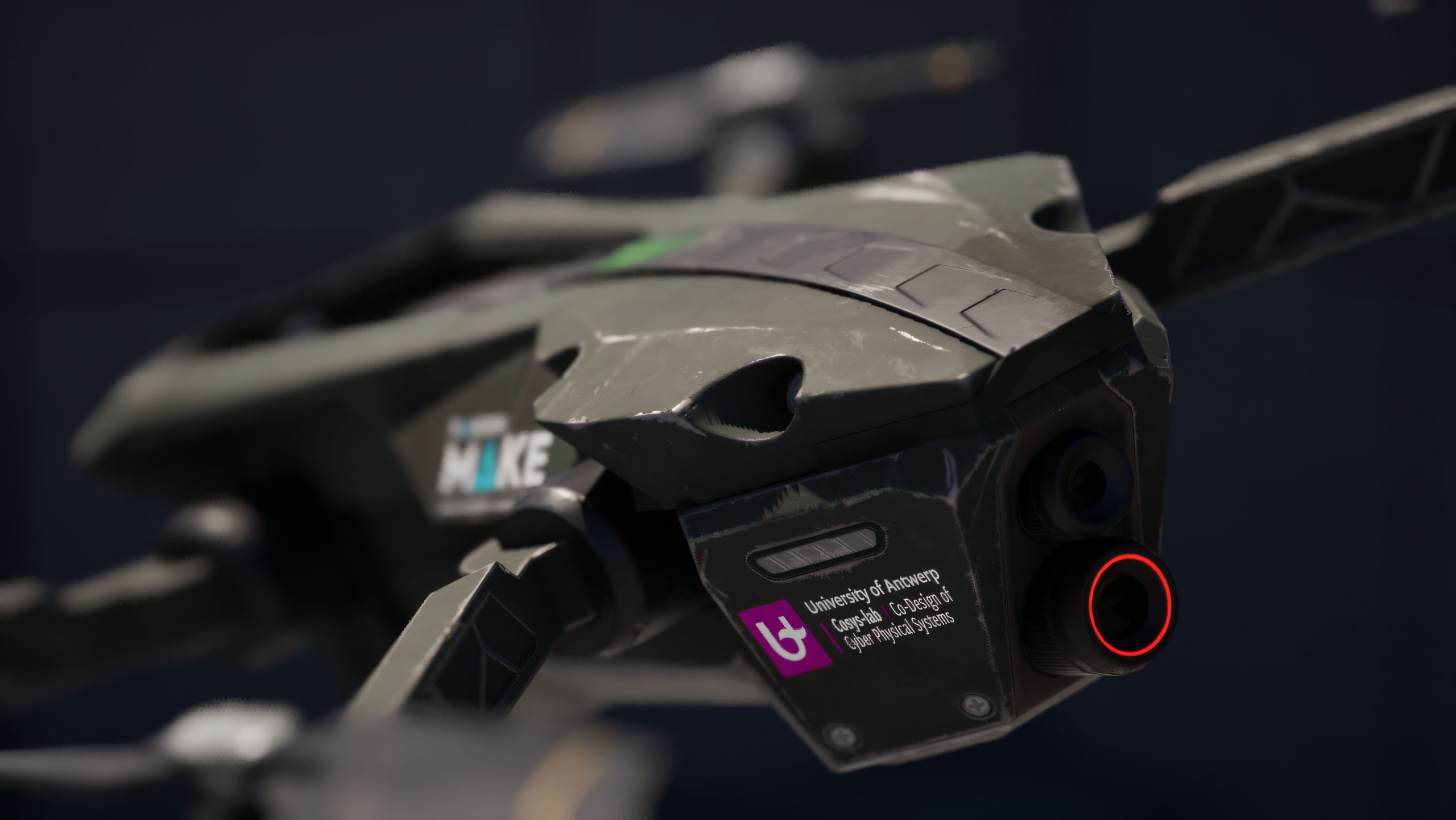
CoSys‑AirSim is positioned at the forefront of this movement—providing a robust, Unreal Engine–powered platform for realistic, scalable, and customizable drone testing.
Final Thoughts
The drone industry is at a tipping point where technological breakthroughs must be matched with responsible regulation and safety assurance. Simulation bridges this gap, empowering innovators while satisfying regulators. With CoSys‑AirSim, researchers, developers, and operators can confidently explore the future of autonomous flight without leaving the ground.
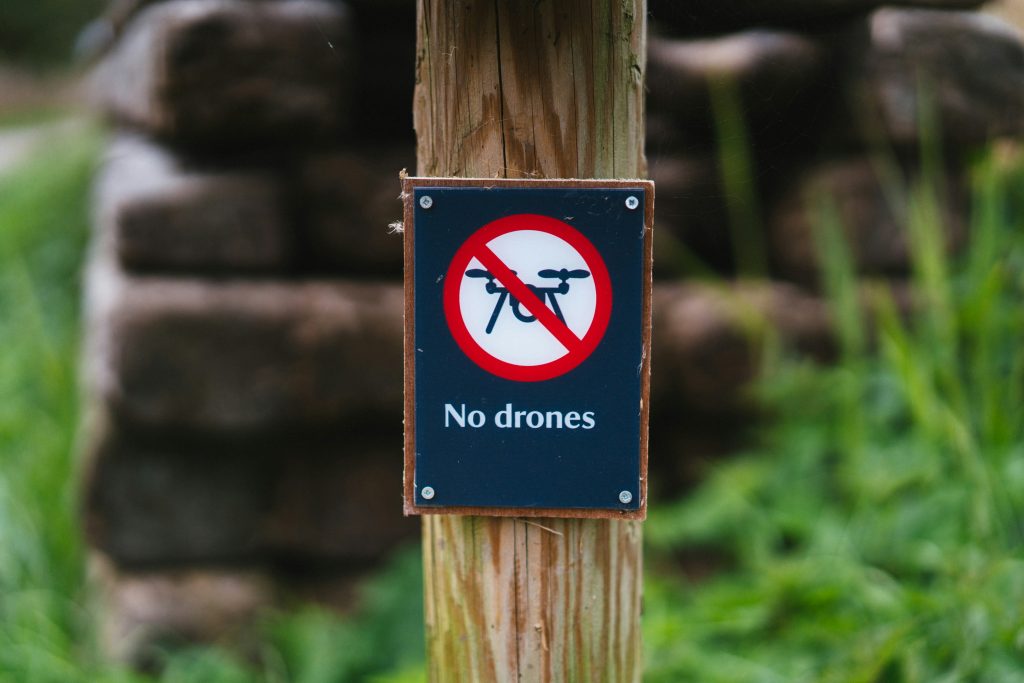
Photo by Phil Hearing on Unsplash